
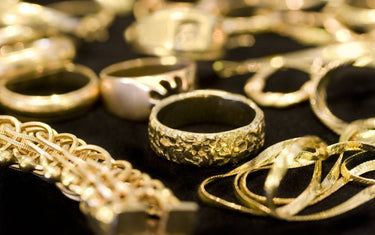
Daily wear dulls your gold, but the wrong cleaner can permanently damage alloys and sensitive gemstones. Safety comes first. This guide reveals which harmful chemicals to avoid and highlights the best professional-grade products for safe home cleaning.
I. The Basics: Understanding Your Gold
Before you scrub, know your metal.
Purity Matters
Pure 24K gold is soft. It scratches easily. Gold alloys, like 14K or 18K, are different. They contain metals like copper and silver. This makes them stronger but more reactive. They are highly sensitive to certain chemical substances.
Special Gemstone Requirements
Look closely at your piece. Does it have pearls, emeralds, or opals? If so, stop. These soft stones need entirely different care. Standard gold cleaners will destroy them.
II. What to Avoid: Harmful Ingredients You Must Steer Clear Of
Read the label. Protect your investment.

- Chlorine and Bleach: Never use bleach. Chlorine makes gold brittle. It causes microscopic cracks. Eventually, your jewelry will break.
- Ammonia: Ammonia is tricky. Many cheap cleaners use it. It cleans well initially. However, prolonged use degrades gold alloys. Improper dilution makes it worse. Your ring will lose its luster over time.
- Abrasives: Skip the toothpaste hack. Toothpaste contains harsh abrasives. Rough cleaning powders are just as bad. They leave microscopic scratches. They ruin that mirror-like finish forever.
III. How to Select a Professional Home Jewelry Cleaner
Buy like an expert. Here is what matters.
1. A Deep Dive into the Ingredients List

- Look for "Non-ionic Surfactants": These are the gold standard. They gently lift oils and grime. They do not trigger harsh chemical reactions.
- pH-Neutral Formula: Balance is key. Avoid strongly acidic or alkaline formulas. Pure gold resists chemicals. But K-gold is vulnerable. The copper and silver in alloys easily tarnish in non-neutral environments.
- Reject "Hidden" Abrasives: Check for diatomaceous earth. Look out for fine particulates. A professional gold cleaning solution is smooth. It should be a pure liquid or a fine paste. Gritty textures strip away gold weight over time.
2. Choose the Format Based on Jewelry Complexity
Immersion Type (Jar/Dip)
This format handles delicate chains perfectly. It masters intricate openwork effortlessly.
- Key Point: It must include a dip tray. This prevents direct skin contact with chemicals.
- Product Recommendation: Connoisseurs Precious Bath
- Why we love it: This iconic red jar features an advanced, ammonia-free polymer formula. It actively reduces the appearance of fine scratches. The built-in dip tray and precision brush make cleaning incredibly safe. Just a quick 30-second soak melts away dulling dirt. Finally, it leaves a protective barrier behind. This repels future body oils, ensuring a longer-lasting shine for your solid gold and platinum.

Spray or Foam Type
Foams are perfect for daily use. They cover large pieces quickly.
- Key Point: Expanding foam reaches deep into intricate settings safely. It eliminates the need for harsh scrubbing.
- Product Recommendation: Connoisseurs All-Purpose Jewelry Cleansing Foam
- Why we love it: The brilliant foam expands beautifully into hidden crevices. It melts away daily grime fast. It is 100% non-toxic and biodegradable. This makes it completely safe for people and the environment. Dispense the foam, wait 30 seconds, and rinse. It is the ultimate all-in-one solution for a rapid, dazzling clean.

Pen/Gel Type (Cleaning Pen)
Need to target tight crevices? Cleaning pens are your answer. They are highly portable.
- Key Point: Look for ultra-fine bristles. They must navigate safely around gold prongs.
- Market Recommendation: Connoisseurs Diamond Dazzle Stik
- Why it works: Do not let the name fool you. Despite saying "Diamond," it is the absolute standard for gold jewelry. Gold often looks dull due to microscopic scratches. This clever pen fixes that. The advanced gel contains micro-fine cleansers and special polishing agents. Most importantly, it features unique cosmetic polymers. These polymers actually fill in the tiny scratches on your gold setting. This dramatically restores the metal's flawless, original luster. You simply twist, brush, and rinse. It treats the gold beautifully while maximizing gemstone fire.

Professional Polishing Cloth
This is our absolute top pick. It is the ultimate safety net.
- Professional Distinction: A true professional cloth contains specialized impregnated cleaning formulas. Ordinary microfiber rags just push dust around.
- Core Value: It shines through physical action. There are zero liquid risks.
- Product Recommendation: Town Talk Gold Polishing Cloth
- Why we love it: Town Talk has been "Sparkling Since 1895." This 100% cotton cloth is infused with premium non-ionic surfactants. It effortlessly buffs gold to a showroom-quality shine. As you polish, it automatically deposits an invisible anti-tarnish layer. This safeguards your jewelry against rapid oxidation. Remember to never wash this cloth. It remains highly effective even after it becomes deeply discolored.

3. Quick Decision Matrix: Which One Should I Choose?
|
Scenario |
Recommended Format |
Benefits |
|
Delicate chains, intricate crevices |
Immersion Liquid (Dip) |
Thorough cleaning; no manual scrubbing required |
|
Large bracelets, daily degreasing |
Spray |
Fast coverage; easy to use |
|
Diamond rings, dirt in tight corners |
Cleaning Pen |
Precise dirt removal; enhances diamond brilliance |
|
Quick touch-ups; avoiding chemical residue |
Professional Polishing Cloth |
Safest option; restores shine through physical action |
4. Targeted Suitability & Compatibility Check
- Universal vs. Specialized Use: Read the fine print. Does it explicitly say "Safe for Diamonds"? Many gold pieces feature diamonds. A cleaner made strictly for gold might ruin diamond coatings.
- Alloy Compatibility: 14K and 18K gold contain zinc, nickel, and copper. Ensure the packaging clearly states "Safe for Gold Alloys."
5. Safety Certifications and Additional Features

- Skin Safety: Buy "Non-allergenic" or "Odorless" products. You will inevitably touch the cleaner at home. Protect your skin.
- Eco-Friendly Labeling: Look for "Biodegradable" tags. Home waste liquids go down the drain. Do not pollute the environment.
- Packaging Integrity: Check the bottle cap. Child-resistant designs are mandatory. Prevent accidental ingestion by children.
IV. Home Alternatives: The Safest and Most Affordable "Substitutes"
Short on supplies? Try this DIY method.
- Formula: Warm purified water + a few drops of pH-neutral dish soap.
- Tools: An ultra-soft-bristled toddler's toothbrush.
- Advantages: The risk is extremely low. This suits over 90% of your daily cleaning needs.
V. Cleaning Procedure: How to Properly Clean Gold Jewelry
Follow these steps carefully.
- Pre-inspection: Check all stone settings. Ensure nothing is loose.
- Method A (Liquid Cleaning): Soak for no more than 5 minutes. Let the chemical reaction break down the grease.
- Method B (Polishing Cloth Brightening): Keep the jewelry dry. Gently rub with the inner polishing surface. Next, wipe it clean with the outer velvet surface.
- Detailed Brushing: Target the tight spaces. Use your ultra-soft brush. Gently sweep away debris.
- Rinsing: You must plug the drain! Do this first. Then, rinse away residue under warm, running water.
- Drying: Grab a lint-free cotton cloth. Gently blot the moisture dry. Never rub vigorously. Vigorous rubbing causes secondary scratches.
Summary
Safety always wins. We emphasize once again: Better to clean less often than to damage the jewelry.
Here is some professional advice. Always put on your jewelry after applying makeup. Cosmetics coat your gold in thick oils. Furthermore, visit your jeweler periodically. Let an expert inspect your prongs and settings.
Maintaining your jewelry's brilliance does not require a chemistry degree. It just requires the right tools. If you are looking for professional-grade, safely formulated supplies to keep your collection shining, explore the curated selection of Gold Jewelry Cleaner at Luxgoldtools, ensuring your favorite pieces remain flawless for years to come.
